Sustainable Farming Practices for Long-Term Agricultural Growth
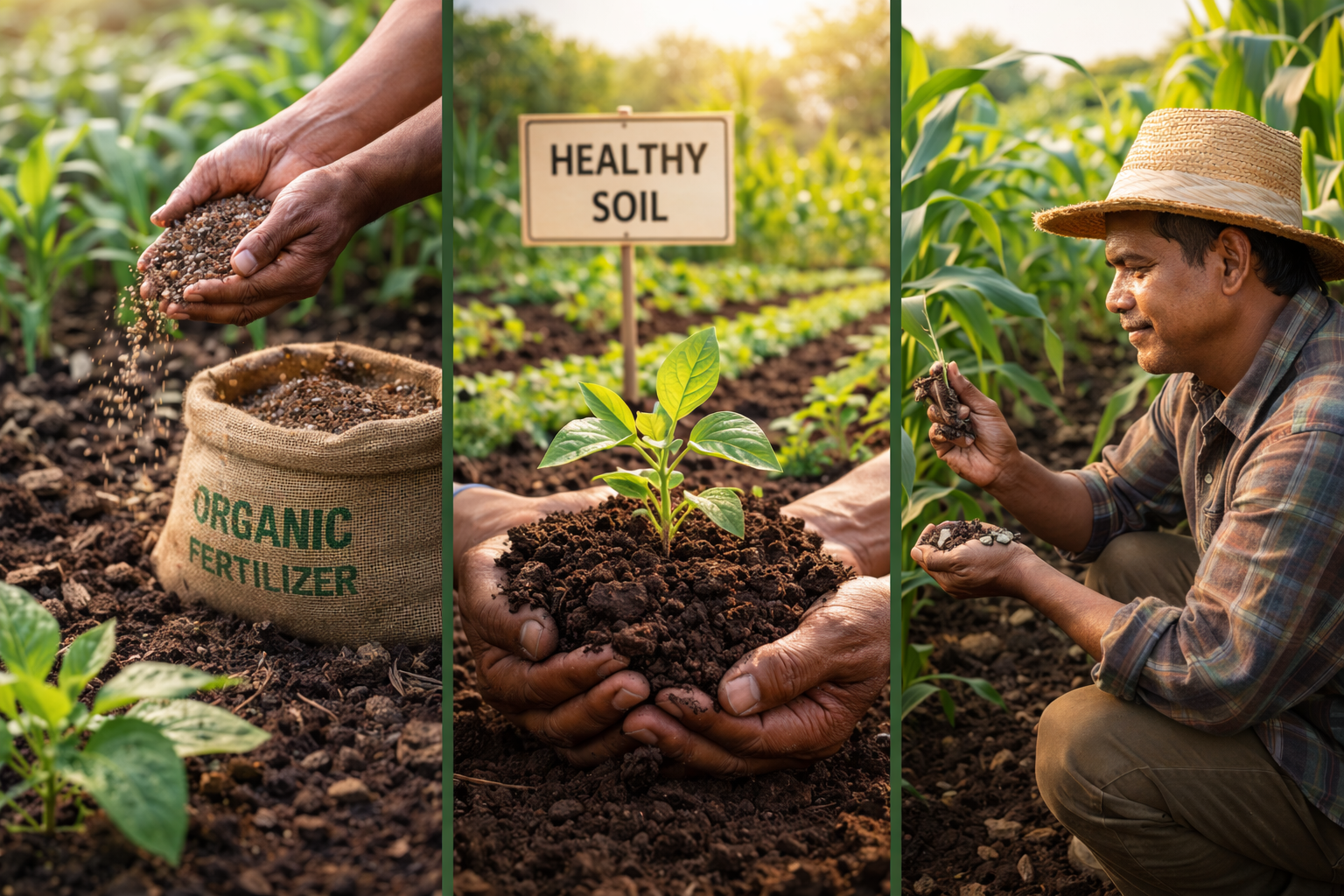
Sustainable farming is a forward-looking agricultural approach that aims to meet the food and economic needs of the present without compromising the ability of future generations to farm productively. It emphasizes harmony between agricultural production and environmental preservation, ensuring that natural resources such as soil, water, and biodiversity are protected while maintaining consistent crop yields.
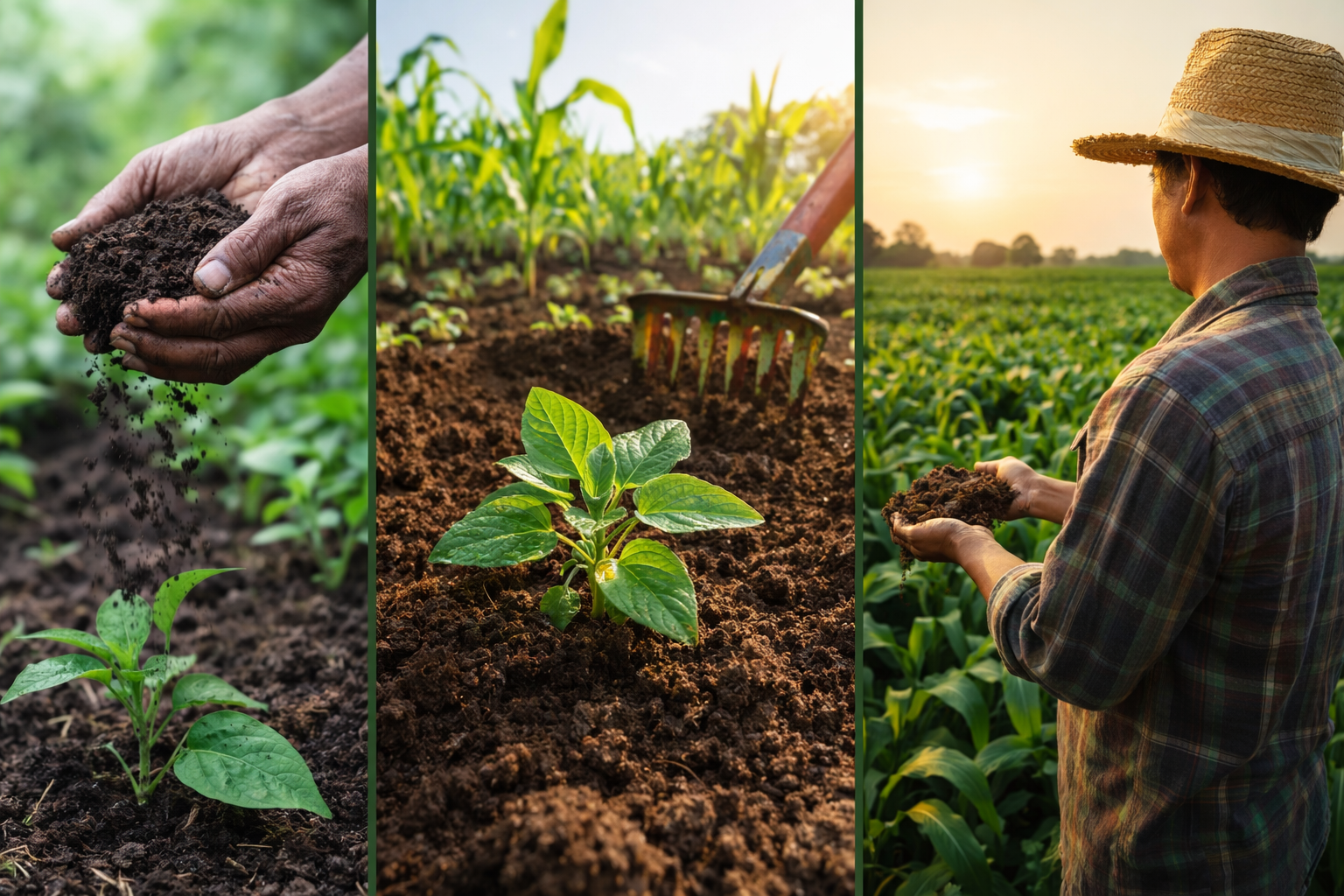
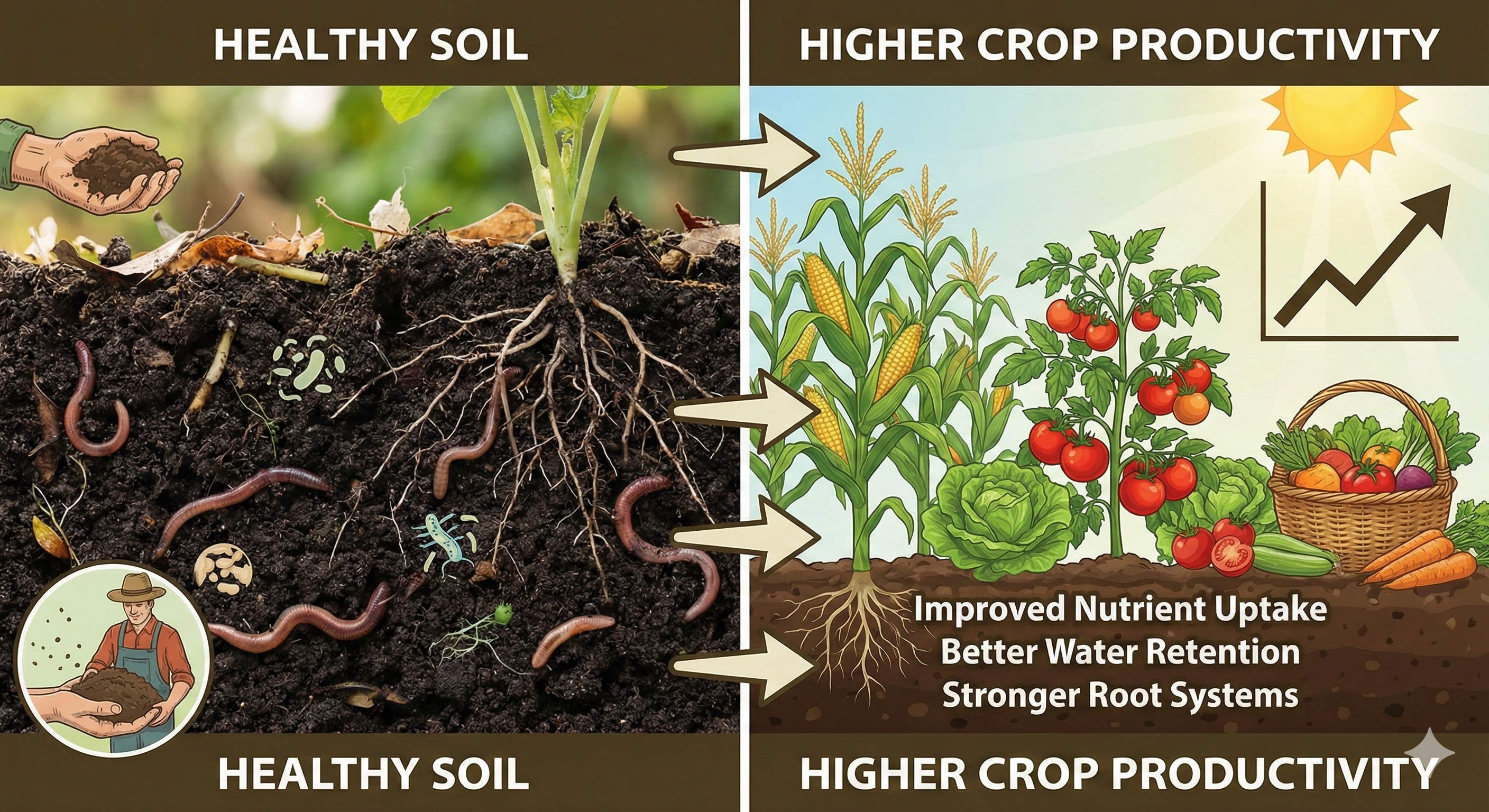
At the core of sustainable farming is the use of eco-friendly inputs that support natural soil processes. Organic fertilizers, bio-stimulants, and natural soil conditioners help improve soil structure and fertility without causing long-term damage. Unlike chemical-intensive farming, sustainable practices focus on enriching the soil with organic matter and beneficial microorganisms, which enhances nutrient availability and promotes healthy plant growth.
Soil health plays a central role in sustainable agriculture. Practices such as crop rotation, cover cropping, and reduced chemical usage help maintain soil biodiversity and prevent nutrient depletion. Crop rotation breaks pest and disease cycles while improving soil nutrient balance. Reduced reliance on synthetic chemicals minimizes soil degradation and protects beneficial soil organisms, resulting in stronger and more resilient crops.
Water conservation is another critical component of sustainable farming. Responsible water management practices, including efficient irrigation systems and improved soil moisture retention, help reduce water wastage and prevent groundwater depletion. Soils enriched with organic matter retain water more effectively, allowing crops to withstand dry conditions and reducing the overall demand for irrigation.
Environmental protection is a key benefit of sustainable farming. By limiting chemical runoff and pollution, sustainable practices help protect nearby water bodies, wildlife, and ecosystems. Reduced greenhouse gas emissions and improved carbon sequestration in soil further contribute to climate change mitigation. These environmentally responsible methods ensure that agricultural activities coexist peacefully with nature.
From an economic perspective, sustainable farming offers long-term benefits for farmers. Although the transition may require initial effort, farmers often experience lower input costs over time due to reduced dependence on chemical fertilizers and pesticides. Improved soil health leads to stable yields, better crop quality, and increased resistance to pests and diseases. This results in more reliable income and reduced financial risk.
Vajra Green Leaf is committed to supporting sustainable farming by providing organic solutions that promote environmental balance and long-term agricultural success. The company’s products are designed to enhance soil fertility, support beneficial microbial activity, and improve crop resilience. By focusing on natural and sustainable inputs, Vajra Green Leaf helps farmers achieve consistent growth while preserving soil and water resources.
In conclusion, sustainable farming is not just a method—it is a responsibility toward the land, the environment, and future generations. By adopting sustainable agricultural practices and using reliable organic solutions, farmers can protect natural resources, improve productivity, and ensure long-term farming success. Sustainable agriculture lays the foundation for a healthier planet and a more secure food system for the future.
Emily Rodriguez
Author at Vajra Green Leaf. Passionate about technology and innovation.