The Importance of Organic Fertilizers for Sustainable Agriculture

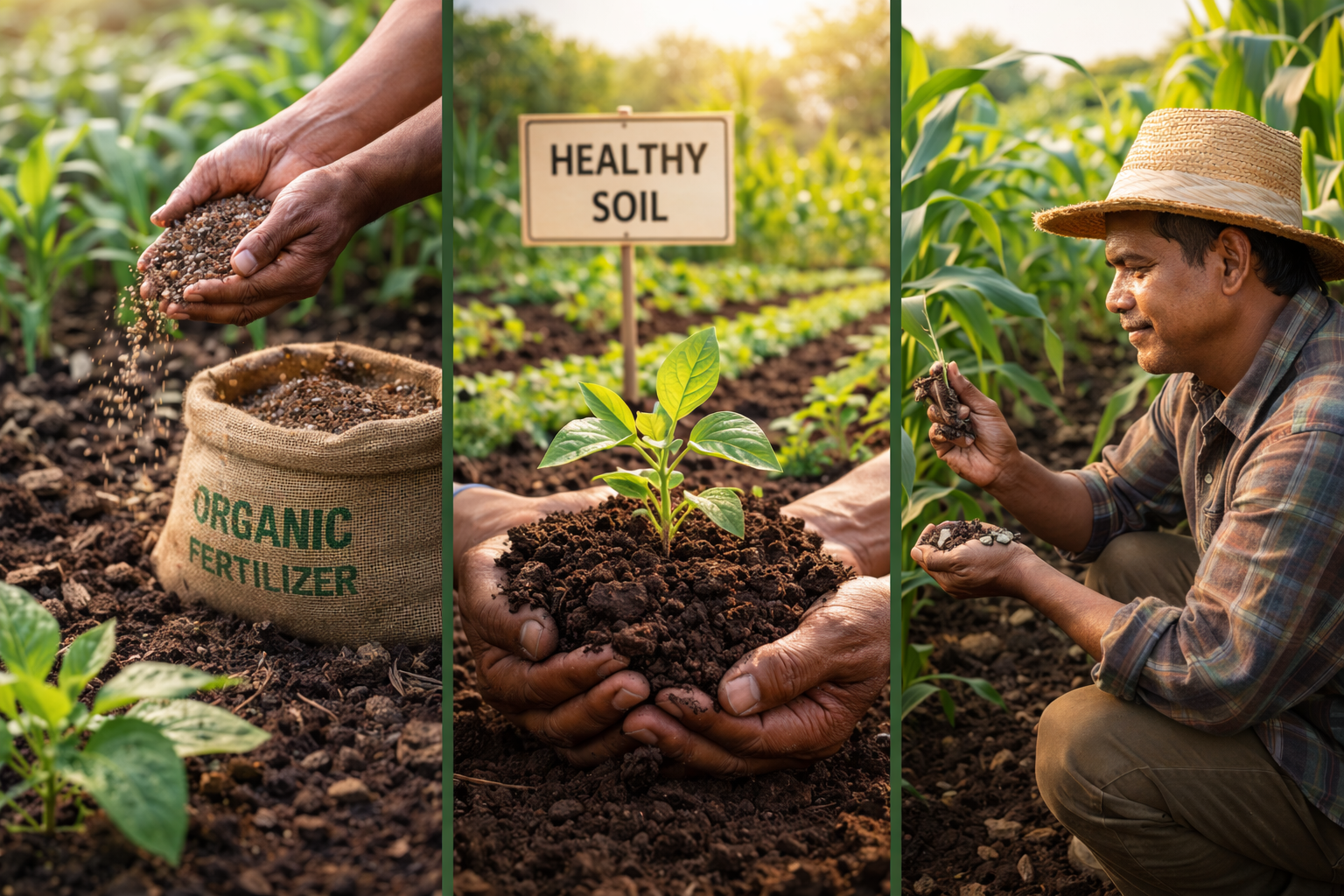
Organic fertilizers are a vital component of sustainable agriculture, as they work in harmony with nature to improve soil health, fertility, and biological activity. Rather than forcing rapid plant growth like chemical fertilizers, organic fertilizers focus on strengthening the soil ecosystem, which forms the foundation for long-term agricultural productivity. They are derived from natural sources such as compost, plant residues, animal manure, and other organic materials, making them safe for both crops and the environment.
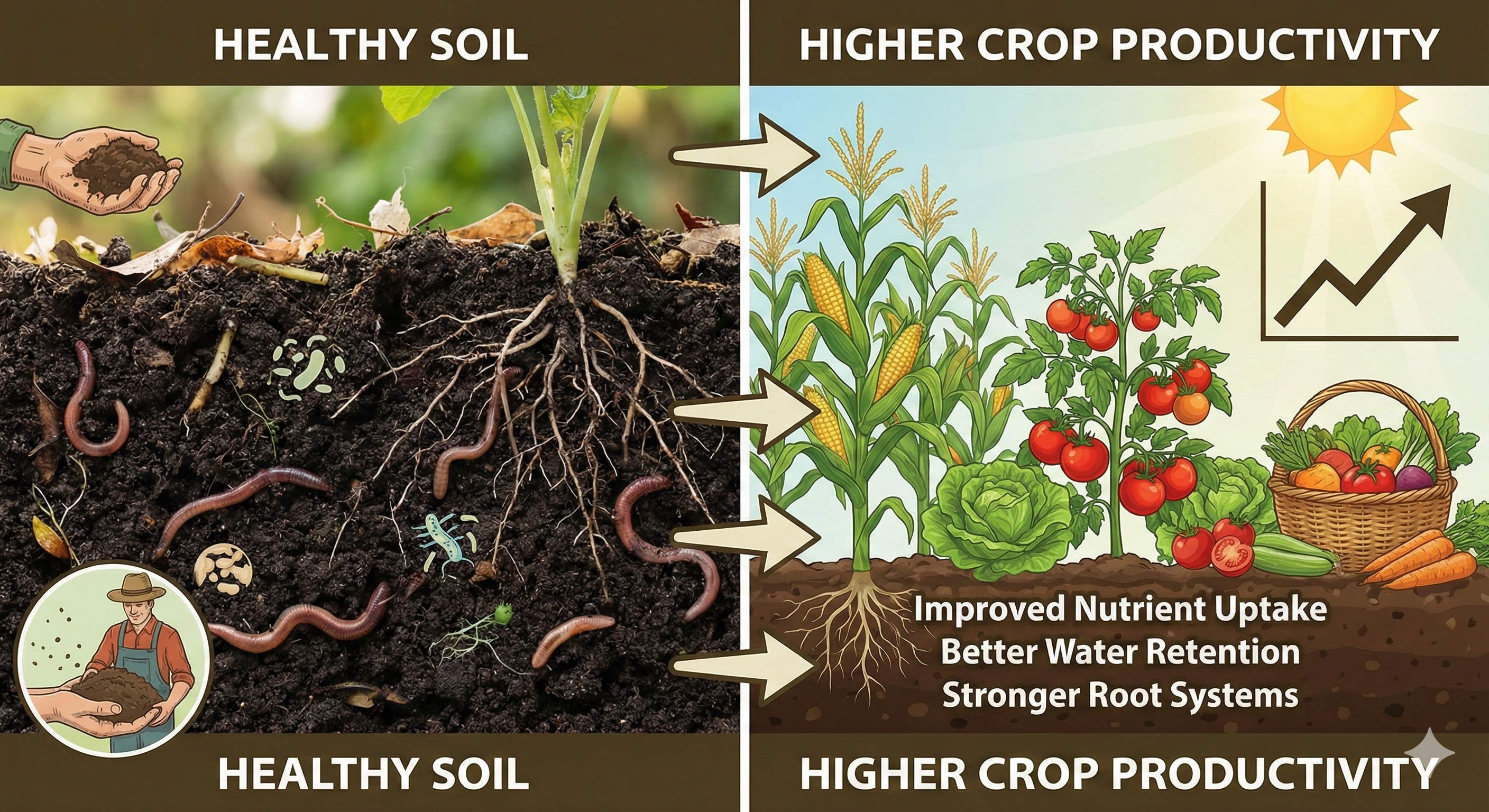
One of the primary advantages of organic fertilizers is their ability to improve soil structure. Organic matter enhances soil aggregation, aeration, and porosity, allowing roots to grow deeper and spread more effectively. Improved soil structure also increases the soil’s capacity to hold water, which is especially important during dry periods. Soils enriched with organic inputs are less prone to compaction and erosion, protecting the fertile topsoil that is essential for crop growth.
Unlike chemical fertilizers that release nutrients rapidly and often lead to nutrient loss through leaching or runoff, organic fertilizers provide a slow and steady release of nutrients. This gradual nutrient availability ensures consistent nourishment throughout the crop growth cycle, from early root development to flowering and harvest. Essential macro and micronutrients become available as organic matter decomposes, reducing wastage and improving nutrient use efficiency.
Organic fertilizers also play a crucial role in supporting beneficial soil microorganisms. Healthy soil is a living system filled with bacteria, fungi, and other microorganisms that help break down organic matter and convert nutrients into plant-available forms. These microbes improve nutrient uptake, suppress soil-borne diseases, and enhance overall plant health. Increased biological activity strengthens crops naturally, reducing dependence on chemical pesticides and synthetic fertilizers.
Another important benefit of organic fertilizers is their contribution to environmental sustainability. Continuous use of chemical fertilizers can degrade soil quality, contaminate water sources, and disrupt ecological balance. In contrast, organic fertilizers reduce environmental pollution by recycling natural waste materials and minimizing chemical runoff. They also contribute to carbon sequestration in the soil, helping mitigate the effects of climate change.
For farmers, the long-term benefits of organic fertilizers extend beyond soil health. Crops grown with organic inputs often show improved quality, better taste, and higher nutritional value. Over time, fields treated with organic fertilizers become more resilient to pests, diseases, and climate stress, resulting in stable yields and reduced production costs. Although organic fertilizers may not produce instant results, their cumulative effects lead to sustainable and reliable agricultural performance.
In conclusion, organic fertilizers are essential for building a resilient and sustainable farming system. By improving soil structure, enhancing nutrient availability, supporting beneficial microorganisms, and protecting the environment, they ensure long-term agricultural productivity. The adoption of organic fertilizers enables farmers to grow healthier crops, achieve better yields, and produce safer food while preserving natural resources for future generations.
Sarah Johnson
Author at Vajra Green Leaf. Passionate about technology and innovation.